Brand vs Demand: Adam Holmgren Co Founder Fibbler on B2B Pipeline
Introduction
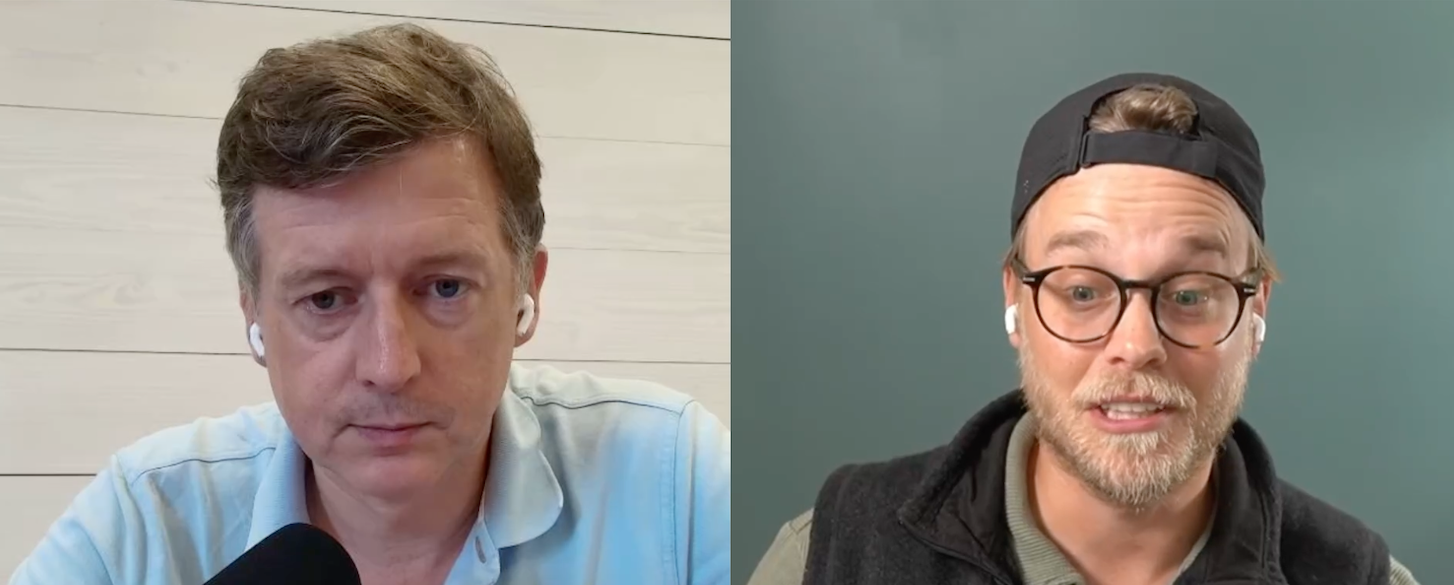
I connected with Adam Holmgren a while back where he said the origin story of Fibbler he was just about to leave Rellion and go full time with his other Co founder Adam at Fibbler a lot has happened since then 1m ARR, a LinkedIn official partnership, & a B2B Ad worthy of a Cannes Lions even getting a nod from new LinkedIn CEO Dan Shapiro.
Here is our conversation
In Adam's words B2B marketing teams are optimising for the wrong thing. They are chasing MQLs, filling sequences, and reporting on lead volume to executives who want revenue. The pipeline never comes. Or it comes too slow. And nobody can explain why.
Adam has lived both sides of that problem. As Head of Demand Generation at Rillian and founder of Fibbler, a LinkedIn Ads attribution platform built specifically for B2B marketers, he has spent a decade figuring out what actually moves buyers through long sales cycles. His answer is not more demand gen. It is brand investment that compounds over time, amplified by Thought Leader Ads and the B2B creator economy, connected to CRM data so you can finally prove what is working.
Key Takeaways
- Brand investment compounds over time. Obsessing over leads produces top-funnel noise, not bottom-funnel revenue. The companies winning now started their brand work before they needed the pipeline.
- You do not need to abandon demand gen overnight. Start with one brand initiative. Show the leading indicators. Build executive trust gradually, then scale.
- Thought Leader Ads change the measurement game for creator campaigns. Organic reach is almost impossible to tie to pipeline. TLAs give you the company-level data that connects creator content to deals in the CRM.
- The right creator is one who genuinely uses your product. Creators who promote everything erode trust quickly, for themselves and for the brand they are representing.
- Ask inbound leads how they heard about you. Simple. Powerful. Often skipped. If a creator is driving real commercial impact, this is where you will find the evidence.
- Product market fit is the multiplier. No amount of content or advertising covers for a product that does not resonate. When the fit is there, people find you. The marketing job is to stay visible until they are ready to buy.
- The B2B creator economy is accelerating. Brands built on people, not logos, are winning attention and trust from buying committees faster than any company page ever could.
The problem with leading on demand
Most B2B companies, when audited, are running almost pure lead generation. Every campaign is optimised for form fills. Every piece of content ends with a CTA to book a demo. Every report to the executive team is framed around MQL volume.
Adam has seen this pattern at every company he has walked into. And he is consistent about where it leads. You fill the top of the funnel. The bottom does not convert the way you expected. Sales says the leads are not qualified. Marketing says sales is not following up. Nobody wins.
The shift he advocates for is not complicated in theory. Buyers today are not just purchasing a product because of features. They are buying into a narrative. They want to feel aligned with the company's direction. They want to trust the people behind it before they take a meeting. The purchase decision often happens long before a sales conversation starts.
That means your job is not to capture demand in the moment. It is to be present before the moment arrives.
Building the internal case for brand
The hardest part is not the strategy. It is getting the executive team to accept a dip in short-term lead metrics while the brand work takes hold. Especially in VC-backed companies where the board wants MQL numbers every quarter.
Adam's approach is straightforward. Define the leading indicators before you launch the brand initiative. Get alignment on what you are measuring and why you believe it will affect bottom-funnel performance over the next quarter and the next six months. Make educated guesses, share them openly, and track against them.
While at Rillian, the brand play was a webinar series featuring CFO interviews. No product mentions. No hard sell. The metrics Adam watches are audience retention within each episode and CRM touchpoints where webinar participants later appear as deal contacts. Not every touch is captured. But the pattern is visible enough to make the case.
The executive team does not need certainty. They need transparency. Show your workings. Build trust incrementally. Then release more.
Why Thought Leader Ads are the bridge
This is where the B2B creator economy and paid LinkedIn strategy converge. Organic content gives you reach within your existing network. It is valuable but limited, and almost impossible to connect directly to revenue.
Thought Leader Ads change that. You take the content your creators, founders, or internal voices are producing, and you amplify it directly in front of the buying committee. The same people your sales team is trying to reach. Before your sales team arrives.
What Adam has built with Fibbler addresses exactly this gap. The platform connects LinkedIn Ads API data to CRM data, so marketers can see which companies had repeated ad impressions months before they became pipeline. The click never happened. The form was never filled. But the brand was present. And when the buyer was ready, they came in.
That is the commercial proof of brand investment most companies are currently missing. They are not measuring it because they do not have the infrastructure to measure it. So they defund the activity that was working and double down on the thing that produces leads but not revenue.
Authentic creators or nothing
Adam is direct about what does not work in B2B influencer marketing. Creators who promote every product they are approached by. Executives who are pushed in front of a camera to talk about products they do not care about. A CFO persona being targeted by content that does not come from someone who understands the CFO's world.
The ones that work are the ones where the match is real. Fibbler gets organic advocacy from marketers who use it and love it. Adam does not pay them. He makes it easy for them to talk about it, and he amplifies them when they do. That is the model.
The same logic applies to any B2B creator campaign. The question is not how many followers does this person have. The question is whether this person is genuinely trusted by the people you are trying to reach, and whether they have actually used what they are talking about. If the answer to either is no, the campaign will underdeliver. Not immediately. But over time, both the brand and the creator will pay for the mismatch.
What the future looks like
Adam sees the B2B market becoming more crowded, not less. AI is enabling more companies to build products faster. Most will not survive. The ones that do will be the ones with the strongest brand foundations, not the biggest ad budgets.
The marketers who are winning right now are operating at a level that was not possible five years ago. Smaller tool sets, more autonomy, faster feedback loops. And they are building in public, creating audiences before they have something to sell, earning trust before they need it.
That is the creator economy for B2B. Not influencers with large audiences promoting software. Practitioners with genuine authority sharing real problems and real approaches with the exact people who need to hear it.
If you are still waiting for the pipeline to justify the brand investment, you are measuring it wrong. Start with one initiative. Track the leading indicators. Stay present. The deals will come.

Six years inside LinkedIn. $75M in ad spend managed. $700M in pipeline generated for HP, Expedia, Thomson Reuters and the London Stock Exchange. At Kleos, that operating knowledge is what every client gets specifically, how buying committees form preferences before the sales conversation starts. The same material I teach on the MBA programme at IE Business School.
Ready to reach your buying committee?
See how Kleos can help your brand become the most trusted voice in your market.
Work with Kleos