B2B Creators Are the New Affiliates: The Airwallex Case
Introduction
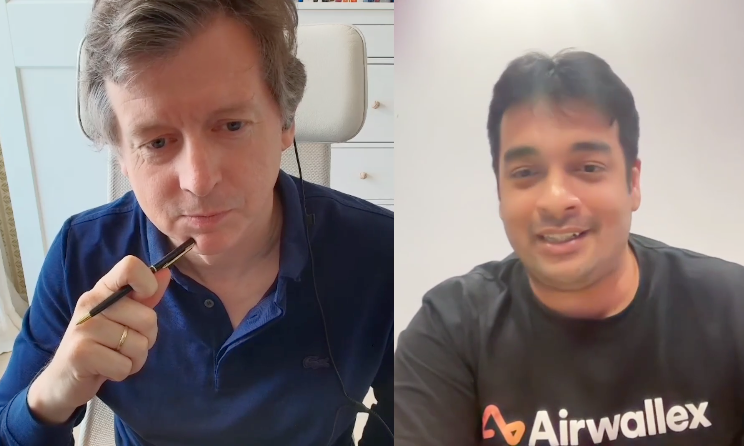
Prashanth has spent 15 years in B2B marketing at HubSpot, Stripe, Zendesk and now Airwallex, one of the fastest growing fintech challengers in the world. He has run events, ABM, partner programs and affiliates, and now leads an in house B2B influencer marketing team that produced more than 150 creator videos in six months.
In our conversation he shared what the collapse of affiliate traffic told him about where buyer trust went, why the old B2B playbook stopped working, how Airwallex tests 100 creators before committing to 20, why boosted creator content outperforms brand ads by two to three times, and what to measure when bottom of funnel attribution refuses to show up. If you are building a creator economy strategy or thinking about Thought Leader Ads, this is the operating manual from someone doing it at scale.
key Takeaways
- Some of Airwallex's affiliates lost 90 percent of their search traffic to AI overviews and reinvented themselves as creators. Airwallex followed them.
- A brand ad for a generic ebook will not earn a click. The same asset shared by a creator in their own voice will.
- Go wide before you go deep. Airwallex works with 100 creators over three months, gathers the data, then keeps the 20 worth a long term relationship.
- The channel is never the problem. If LinkedIn or YouTube is not working, the content and the messaging are what need fixing.
- Stop demanding bottom of funnel attribution. Watch brand search volume and direct traffic in Search Console during every campaign instead.
- Boosted creator content beats a brand ad by two to three times. Test organically, find what works, then put paid behind it.
- ABM is a sales led program that marketing supports. Most companies run it backwards.
The affiliates saw it first
Airwallex went deep on affiliates for two years. The model was simple. Publishers ranked for search terms, sent traffic to Airwallex, and got paid per click.
Then AI overviews started answering the question on the results page. The publishers that used to get the click stopped getting it. Prashanth said some of the affiliates Airwallex works with lost 90 percent of their traffic in a year. The industry data backs him up. Chartbeat puts the loss at 60 percent for small publishers and 33 percent globally. Ahrefs found the top organic result loses 58 percent of its clicks when an AI overview sits above it. Seventy one percent of affiliate sites saw rankings fall in Google's March 2026 core update.
The interesting part is what the affiliates did next. They did not fight for the search traffic that was leaving. They went where trust still lives. YouTube channels. Facebook groups. Reddit communities. Newsletters. They already had the audience and the credibility. They just needed a platform Google could not sit on top of.
Airwallex followed them. Over six months it did more than 150 videos with YouTube creators, many of them former affiliates who had made exactly that move.
This is the point most B2B marketers miss. The affiliate collapse is not a story about SEO. It is a story about where buyer trust went when the search page stopped sending clicks. Affiliates were the canary. Creators were the answer.
The old B2B playbook isn't completely broken. It's just boring.
Prashanth was blunt about this. Big ebook, corporate brand campaign, LinkedIn ads, press release. That playbook used to work. Then AI made content free and everyone started producing the same thing.
He described seeing an ad from a market leading SaaS company promoting an ultimate guide for B2B marketers. He is a B2B marketer. He did not click. Nothing about it was wrong. Nothing about it was worth a second of attention either.
That is the gap Kleos was built around. Airwallex is a great product with low awareness in most of its markets. Stripe gets word of mouth for free. Airwallex has to earn every bit of visibility. So when Prashanth chooses between running a brand ad for a report and handing that report to creators who already have trust with his buyers, he picks the creators every time. Five years ago he would have done the opposite.
Cast a wide net, then double down
This is the part most B2B teams get wrong, and I have seen it repeatedly across 30 plus conversations on NotJustAds. A team tests three creators with a $10,000 budget, gets a mixed result, and declares the channel dead.
Airwallex does the opposite. It picks a channel, commits to 100 creators across tier one, two and three over three months, and does at least two pieces of content with each. Then it looks at reach, engagement, clicks and signups and picks the 20 creators it will turn into long term ambassadors.
One post with one creator tells you nothing. A hundred posts give you a sample. That is the difference between a channel that works and a channel that gets blamed.
The channel is never the problem
Ten years ago people said Facebook did not work for B2B. Then they said LinkedIn did not work. Prashanth's view is simple. It was never the channel. It was what people put on it.
He also refuses to lift a YouTube playbook and drop it onto LinkedIn or TikTok. Each channel gets its own approach to creators, format and messaging. If your LinkedIn strategy is a copy of what you did somewhere else, that is the first thing to fix.
Measure the signals that exist, not the ones you wish existed
Bottom of funnel attribution for B2B influencer marketing is hard. Prashanth told his team not to obsess over it. Creator campaigns sit at the top and middle of the funnel, and enterprise buying involves multiple touch points before anyone signs.
What he watches instead is brand search. During every major campaign, including the Series G announcement, he checks Search Console daily for spikes in people searching for Airwallex in the target region. Direct traffic going up is the other signal. Self attribution at signup catches the rest.
I spoke with the creator and social lead at Salesforce on a previous episode and she told a similar story. A product had been in market for months. One creator post later, a sports league owner called asking if Salesforce could do it. That deal never touched an attribution model. It happened anyway.
The reason most B2B marketers avoid creators is that they want to track everything. Prashanth's fifteen year learning is that a lot of things cannot be tracked, and that is not a reason to skip them.
Creator content plus paid beats brand ads by two to three times
He calls it boosting creator content. On LinkedIn, that's Thought Leader Ads.
Airwallex publishes creator content organically, sees what gets traction, then puts money behind the winners across LinkedIn and YouTube. TikTok is next.
The result is consistent. Influencer led content boosted with paid does two to three times better than a static or video ad from the brand handle. That is now part of the operating process, not an experiment.
This is the Kleos mechanism. Find the creators your buyers already trust. Let them make content with real authority. Amplify it in front of the buying committee with Thought Leader Ads before your sales team ever gets a meeting.
ABM is a sales program. Marketing supports it.
Prashanth helped build an ABM module inside HubSpot, so he has watched the definition drift. It became events, then LinkedIn ads, then intent tools flagging accounts to sales. None of that is ABM.
Real ABM starts with sales choosing the accounts. Marketing then works out how to get into them and stay in front of them consistently through ads, events, gifting and experiences. Airwallex's McLaren sponsorship is not just brand. Paddock passes and hospitality are a money cannot buy experience for the accounts sales most wants to win.
If you trust the influence numbers your ABM tool reports, you will be the best performing marketer in your company. That does not make the pipeline real. Sales alignment does.
What this means for your pipeline
Newer AI native brands are already putting around 40 percent of budget into creators instead of paid social. Prashanth thinks the rest of B2B is a few years behind and about to catch up.
The affiliates already made the move. Trust left the search page and went to people. You can wait for the playbook to become safe. By then your buyers will have already chosen the competitor who moved first.
Listen to the full conversation on our company podcast NotJustAds

Six years inside LinkedIn. $75M in ad spend managed. $700M in pipeline generated for HP, Expedia, Thomson Reuters and the London Stock Exchange. At Kleos, that operating knowledge is what every client gets specifically, how buying committees form preferences before the sales conversation starts. The same material I teach on the MBA programme at IE Business School.
Ready to reach your buying committee?
See how Kleos can help your brand become the most trusted voice in your market.
Work with Kleos