How HP turns Real Madrid and Ferrari Into B2B Pipeline
Introduction
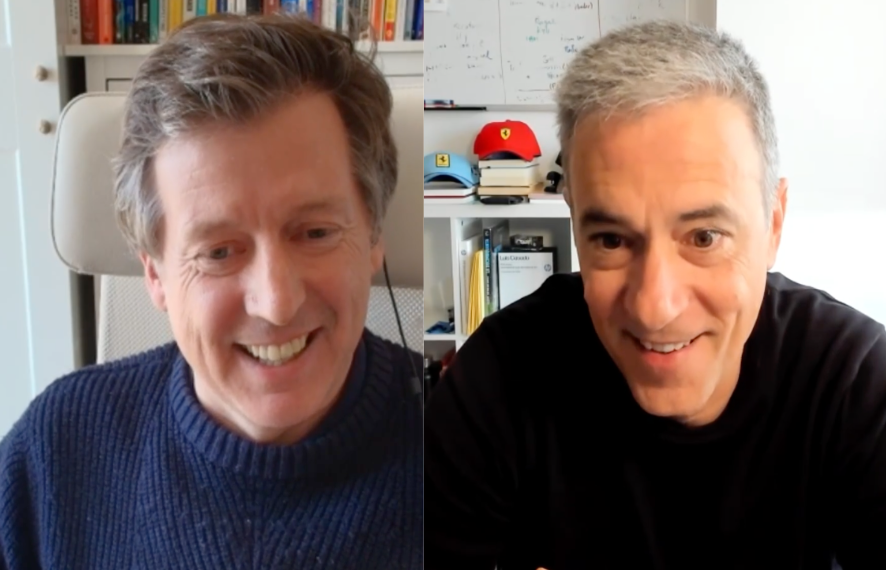
I spoke with Luis Casado, who leads B2B globally at HP, for this one. I've known Luis a quite a while we worked closely together during my time at LinkedIn and he's spent more than 25 years inside a company that has completely reinvented itself around him.
The headline stat first: HP is now 70% B2B revenue. When the company split HP Inc from Hewlett Packard Enterprise a decade ago, the assumption was that HP Inc would be the consumer side of the house. Year after year, it went the other way. B2B became the business.
In this article of The Creator Economy for B2B, Luis breaks down the measurement discipline HP built around its Real Madrid and Ferrari sponsorships, why HP's early attempts at B2B influencer marketing missed the mark, and the targeting risk he thinks most B2B teams are underestimating right now.
Key Takeaways
- Nobody agrees on the right B2B KPI. Luis sat in a room with CMOs of large companies watching them argue over MQLs, SQLs and econometric models, with no consensus in sight.
- Aligning marketing and sales around the account journey produces two measurable outcomes: better win rates and incremental share of wallet in existing accounts.
- The Real Madrid and Ferrari partnerships started as B2C brand plays and evolved into a strict B2B attribution model: HP only takes credit for a sponsorship touchpoint when it changes the composition of an order within 90 days, not when it simply grows an existing order.
- Thought leadership beats influencer marketing in B2B. HP's early attempts looked like B2C — a laptop on a plane, "look how light I travel" — and Luis calls it a waste of time.
- Hyper-targeted, over-personalised marketing is a bigger brand risk than most B2B teams treat it as. Luis gets pitched by agencies that have identified him as a buyer, and it reads as creepy, not clever.
- The hardest part of an ABM transition usually isn't sales alignment. It's letting go of the instinct to go broad targeting 10 people inside a 200,000-person account instead of trying to reach all 200,000.
The 90-Day Rule: Turning Sponsorship Into an Attribution Model
Every B2B company that sponsors something big starts in the same place: media equivalence. How many times does our logo appear, across which formats, and what would that exposure have cost as paid media. HP still measures this. Both Real Madrid and Ferrari run the same calculation independently through their own agencies, and the numbers converge it's a standardised way of pricing brand exposure.
But Luis was clear that this is a B2C metric, useful mainly for companies that don't make the shortlist on RFPs and need to be top of mind before the next one comes around. HP doesn't have that problem. They're always on the RFP. So the metric that matters to them is different.
The sponsorships are used as a hospitality mechanism to get customers into a room not at the final stage of a deal, but earlier, when there's a real conversation to be had about parts of the HP portfolio the customer doesn't know exists. The trip to the race or the match is the bonus, not the point.
Here's the discipline: if a customer comes in with an order for PCs only, and they simply buy more PCs, HP doesn't count that as incremental. It only counts if the composition of the order changes PCs to PCs-plus-printers, for example within 90 days of a hospitality touchpoint. Anything outside that window gets attributed to the dozens of other touches that happen across a deal cycle that can run three or four years.
It's a narrow definition on purpose. Narrow enough that when Luis shared it at a dinner with other Ferrari sponsors after a new car launch, he said it helped them articulate the value of their own sponsorships in a way they hadn't been able to before.
The other thing the partnerships buy HP isn't Mbappé or Hamilton it's access to the CIOs of the companies around them. The content HP actually wants is CIOs from client companies talking about how they use HP's portfolio. Real Madrid and Ferrari as customers, not billboards. Proof, not exposure.
Why HP's Early Influencer Attempts Failed
Luis didn't dodge this one. HP has run B2B influencer content that looked exactly like a B2C ad someone showing off a laptop on a plane, talking about how light it is to travel with. He called it out directly as a waste of time and said HP was guilty of it too.
What he's seen work is narrower and less glamorous: people who are genuinely respected inside a technical field IT, marketing, adjacent disciplines talking about something they actually know. Not unboxing. Not lifestyle framing borrowed from consumer marketing. The best version, in his words, is making the customer happy and then building content with them about work that's genuinely relevant to their peers. That's the influencer HP wants, and it's a much smaller list than a follower count would suggest.
The Risk Luis Is Watching: Creeping Out Your Own Buyers
The most pointed warning in the conversation wasn't about competitors. It was about HP's own tools turning against them.
Luis drew a direct line back to the cookie era the period of hyper-specific retargeting that felt like better marketing at the time and, in hindsight, alienated the people it was supposedly targeting. His concern is that the current wave of AI-driven personalisation and account enrichment risks repeating exactly that mistake, except aimed at an even smaller pool of people. In large B2B deals, there are very few individuals making the actual purchase decision, and they can be hit constantly, and wrongly, by tools that think they're being precise.
He gets it from the buyer's side too. As a senior decision-maker himself, he's on the receiving end of sales outreach that's technically well-targeted and still lands as a total waste of his time. His read: too much precision, applied without judgment, is what makes a brand feel invasive rather than relevant. The vacation-ad example he used says it plainly the moment you realise an ad knows something it shouldn't, trust doesn't recover, no matter how accurate the targeting was.
What Changed at HP, in Luis's Own Words
The transformation Luis is proudest of isn't a campaign. It's the shift from a company full of B2C-minded marketers chasing creative awards at Cannes to one that measures itself on commercial outcomes. That meant convincing people whose ambition was a major consumer-style campaign that the better version of their job was going small on purpose an account might have 200,000 employees, and the job is to find and reach the 10 who matter, not all 200,000.
Most of his peers tell him the hardest part of that shift is getting sales on board. HP's experience has been the opposite sales is actively pulling marketing in, asking for support on accounts. He was candid that marketing sometimes gets more credit for that than it deserves. But it's a rare position to be in, and it says something about what happens when marketing builds a measurement discipline sales can actually trust.

Six years inside LinkedIn. $75M in ad spend managed. $700M in pipeline generated for HP, Expedia, Thomson Reuters and the London Stock Exchange. At Kleos, that operating knowledge is what every client gets specifically, how buying committees form preferences before the sales conversation starts. The same material I teach on the MBA programme at IE Business School.
Ready to reach your buying committee?
See how Kleos can help your brand become the most trusted voice in your market.
Work with Kleos